
Backup Plan for UPSC Aspirants
Last Updated: May 17, 2025
5000+ UPSC Selections | 1200+ IAS / IPS Officers
For Counselling Call – 8595390950
Do You want us to call? Fill the Form
Backup Plan for UPSC Aspirants: Why You Need One & What Are Your Options
Why Do UPSC Aspirants Need a Backup Plan?
Every year, more than 10 lakh candidates fill the application form for the UPSC Prelims exam, and only about 800–1000 finally get selected for services like IAS, IPS, IFS, etc. This means the selection rate is less than 0.1%. Even if you’re well-prepared, several factors such as competition, unpredictability of questions, health, or even one bad day can affect your result.
Moreover, many aspirants dedicate years to this preparation, often leaving behind job opportunities, higher education, or other parallel career growth. If the UPSC dream does not materialize, the lack of a Plan B can cause emotional, financial, and professional setbacks.
When Should You Start Thinking About a Backup Plan?
The ideal time to think about a backup plan is right when you decide to start preparing for UPSC. Aspirants in college should especially be mindful about choosing graduation subjects that provide job opportunities outside of UPSC. For those who are already graduates or postgraduates, the focus should be on parallel skill development or job experience during UPSC preparation breaks.
Top Backup Plan Options for UPSC Aspirants
Here are some well-aligned and practical career options that serve as effective backup plans for UPSC aspirants:
1. State Public Service Commissions (PSC Exams)
State PCS exams like UPPCS, BPSC, MPPSC, RAS, etc., follow a similar pattern to UPSC. If you’ve prepared for UPSC, you’ll find these exams manageable. Many successful PCS officers were once UPSC aspirants.
why students get less marks in Paper 2 of sociology optional
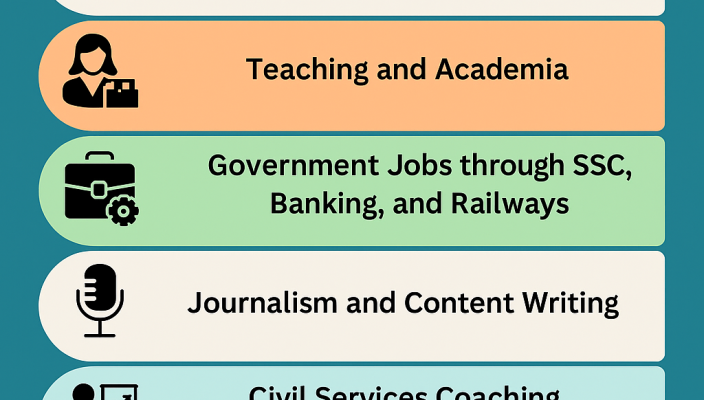
2. Teaching and Academia
With a strong academic foundation, UPSC aspirants can qualify exams like UGC-NET and become Assistant Professors. Some also pursue PhDs and enter research. Institutions also prefer candidates with UPSC background for General Studies faculty roles.
3. Government Jobs through SSC, Banking, and Railways
SSC CGL, CHSL, IBPS PO, SBI PO, and RRB exams offer respectable government jobs with job security. The syllabus overlaps with the UPSC prelims and CSAT paper, making the transition smoother.
4. Journalism and Content Writing
UPSC preparation makes you well-versed in current affairs and writing. These skills are ideal for journalism, editorial roles, UPSC content creation, and online education platforms.
Best ias coaching in hindi medium
5. Civil Services Coaching & Mentoring
Many former aspirants become successful mentors, test-series evaluators, or even start their own coaching ventures. Your insight into UPSC can help guide others effectively.
6. Startups and Entrepreneurship
If you’re inclined towards innovation, a startup aligned with education, administration, or social development can be a meaningful pursuit. Your UPSC knowledge and ethics can create impactful businesses.
7. Higher Education in Policy, Administration, or Management
Courses like Master’s in Public Policy (MPP), MBA (especially in HR or Public Management), or diplomas in International Relations open doors to government consultancies, NGOs, think tanks, and international organizations.
Graduation degree with IAS coaching
8. Corporate Jobs in Research or Analysis
UPSC aspirants often have great analytical skills. Many corporations, especially policy research firms, CSR wings, and analytics companies, value such talent.
How to Build Your Backup Plan Strategically?
- Choose your graduation subject wisely: Pick a subject that provides career options outside UPSC.
- Stay updated on job vacancies: Subscribe to job portals or government recruitment pages to stay informed.
- Invest in certifications: Courses in data analytics, public policy, teaching, or content development can help.
- Use UPSC breaks productively: If you take a gap after Mains or Interview, try internships, research projects, or teaching stints.
- Network: Engage with other aspirants, professionals, and educators who can help guide you with alternate options.
Emotional Resilience and Career Planning
Failing to qualify in UPSC does not define your worth. It’s essential to stay emotionally resilient. A backup plan is not a sign of doubt; it’s a symbol of being practical. You’ve gained knowledge, discipline, and perspective—qualities that make you an asset in any career you choose.
Final Thoughts
The journey of a UPSC aspirant is filled with growth, learning, and self-awareness. Whether or not you crack the exam, the effort is never wasted. Having a structured and realistic backup plan will ensure that your time, energy, and dedication bear fruit—one way or another.
So, plan wisely, aim high, but prepare for all outcomes. Remember, success comes in many forms—and your career is just one of the platforms where you can create impact.
Discover more from Our Education | Best Coaching Institutes Colleges Rank
Subscribe to get the latest posts sent to your email.
« Masterprep IELTS Coaching in Chandigarh with Contact Details What mode of coaching should you join for UPSC preparation even if living in Delhi? »
Tell us Your Queries, Suggestions and Feedback